Pests Mole Crickets In Lawns

Mole Crickets In Lawns

Mole Crickets Lawn

Mole Crickets

Mole Crickets really are one of those special types of creatures which are extremely unusual in their appearance. They are between 1 - 2 inches long and have what appear to be hands that look just like those of a Mole. Nevertheless they are a major cause of concern for the lawn owner due to the severity of damage they can cause to sod, plants and vegetables.

Mole Cricket Damage

The damage caused by Mole Crickets is usually wide spread and erratic over the lawn surface. The damaged grass turns brown as it's dying off from the Mole Crickets damage which is caused by the feeding on the root system and tender green leaf of the lawn. Whereas the damage caused by a disease is usually uniformly round - having spread from a small spot and expanding to a larger and larger size as it grows outward, the Mole Cricket damage is seen as less uniform and more sporadic.

This occurs because the damage which is being caused by Mole Crickets is occurring as the creatures keep burrowing more and more tunnels through the soil in all directions. Often the lawn area between the tunnelling remains unaffected, creating a spidery vein like appearance on the sod.

Mole Crickets are also a problem to the home gardener, as they equally enjoy eating all those lovely fresh vegetables which are so well cared for the the gardener.

Testing For Mole Crickets

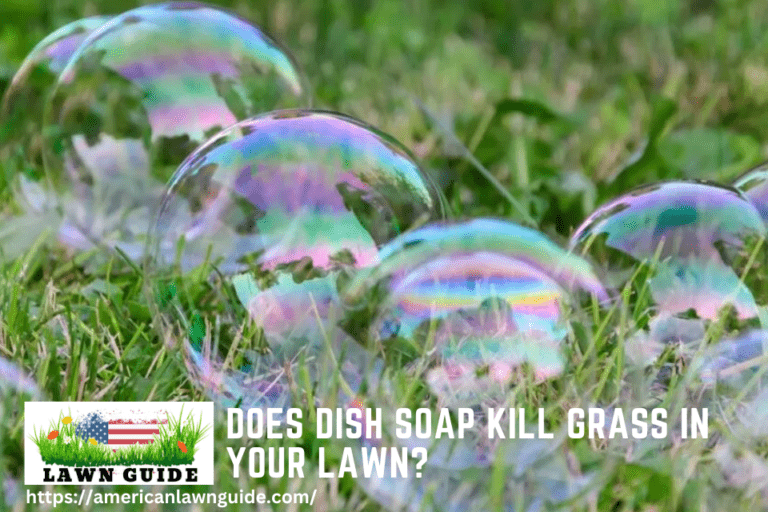
Determining whether or not Mole Crickets are present in the lawn is very simple and easy. Simply mix up some dish wash detergent with some water in a watering can, a nice soapy mix is best. Now water out the entire contents of the watering can over an area of about 4 feet by 4 feet in an area of turf suspected of having Mole Crickets. Now wait and watch...

Mole Crickets will hate the detergent and rise to the surface very quickly. If more than 2-4 Mole Crickets are spotted in this small area, then controlling them is recommended.

Controlling Mole Crickets

The good news is that controlling Mole Crickets in the home lawn is very easy and very environmentally friendly too. The best methods include using Parasitic Nematodes which are explained in another article on this site. Parasitic Nematodes should be applied to the lawn between February and April OR from September through to November for effective control of Mole Crickets.

Inviting parasitic wasp species such as Larra and Sphecid to come to the yard by planting Partridge pea Flower and False Buttonwood will also greatly help, as these wasps lay their eggs directly on the Mole Cricket. Once the eggs hatch the larvae will then eat the Mole Cricket. The good news with these wasps is that they are not aggressive toward humans or pets, and once their food supply is used up, they will fly away.

Chemical Control Of Mole Crickets

Mole Crickets can also be controlled using chemical insecticides, these are freely available for purchase from the local gardening store.

Remember, all chemicals are manufactured differently with different methods of use, so be sure to read the product label for specific instructions on the use of the product you have purchased.

Mole Crickets Lawn
Mole Crickets Lawn

You May Also Like These Lawn Care Articles

Image
Necrotic Ring Spot Necrotic Ring Spot is one of the worst fungal lawn diseases which can attack our Cool Season lawns, and it's treatment and removal is never easily achieved. In...
Image
Brown Patch Disease Brown Patch Disease is a turf fungal disease which creates brown circles in lawns which will quickly spread if left untreated. Brown Patch begins as a small...
Image
Powdery Mildew Identification Powdery Mildew is a fungal disease which affects lawns and many different plant species. The disease is easily characterized and detected by a...

Lawn Pests Articles

Image
Fire Ants Fire ants are a major cause of concern to everyone who experiences them in their yards, even worse are when these...
Image
Japanese Beetle The Japanese Beetle is an introduced pest in North America which is now one of the greatest problem pests in both...
Image
Mole Crickets Mole Crickets really are one of those special types of creatures which are extremely unusual in their appearance....
Image
Moles Moles can become a terrible nuisance to the homeowner when their beautiful sod is suddenly and quickly torn up by Moles....
Image
Controlling Ticks In and Around The Home Ticks are without a doubt a major menace to both people and pets. The tick is...
Image
Mites In Home Lawns While there are many species of mites which live in lawns and gardens and cause no harm whatsoever, and with...
Image
Parasitic Nematodes To Control Pests In Home Lawns Parasitic Nematodes are small worms which can enter the bodies of many lawn...
Image
Billbugs Billbugs are often known as a great problem for causing damage to both lawns and plants. It is when Billbugs are in...
Image
White Grubs White grubs are a real problem in many lawns, they are capable of causing great damage as they feed on the roots of...
Image
Leafhoppers Leafhoppers are a small flying insect which are often never seen, any damage caused is so minimal that it is...
Image
Ants Invading The Home Lawn Ants can occasionally get out of control in home lawns when they swell to huge numbers with a...
Image
Cutworms Cutworms can be a very similar problem to Army Worm, both are caterpillars of a moth, which feed on our lawns leaf, and...
Image
Army Worms Army Worms which infest our lawns are in fact not a worm at all, but are instead the caterpillar of a moth. They are...