Types Bermuda Grass

Bermuda Grass

Bermuda Grass Lawn

Bermuda Grass

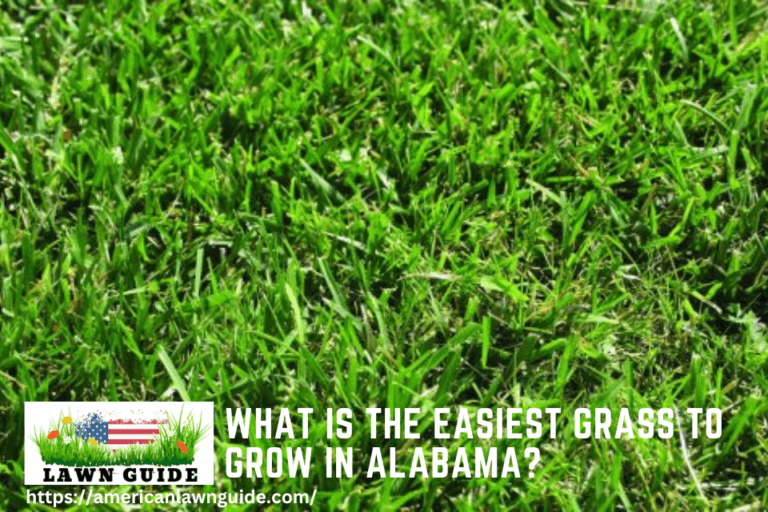
Bermuda Grass is a very popular and favorite lawn in the warmer Southern States. It is very fast growing, easy to repair itself from damage, holds a dark green color and prefers and thrives at an eye pleasing very low height. These characteristics make this Warm Season grass type highly suitable to many applications such as homes, parks and golf courses.

While older strains of Bermuda Grass can be sown from seed, the newer and far superior cultivars are generally always hybrids, meaning they cannot propagate from seed and must be sown from sod or runners. Being such a fast growing grass, Bermudagrass is often one of the most cost effective grass types to pruchase in sod form

The grass has both above ground runners called stolons, and below ground runners called rhizomes. This growing pattern combined with it's rapid growth allows Bermuda Grass to grow and to spread very quickly. In fact, Bermuda Grass will quickly invade surrounding paths and garden beds by any and all means possible including sending runners underneath fences and garden edging.

Bermuda Grass has many strengths which makes it a highly desirable grass to many. But for others, these same strengths can be regarded as weaknesses, leading some to believe it as a virtual pest grass if not properly controlled and managed. But like all decisions when choosing a grass type, it is best to first decide how the grass will be used and then to choose based on primary considerations, and who knows... Bermuda Grass may just be perfect for you.

Bermuda Grass Lawn Care

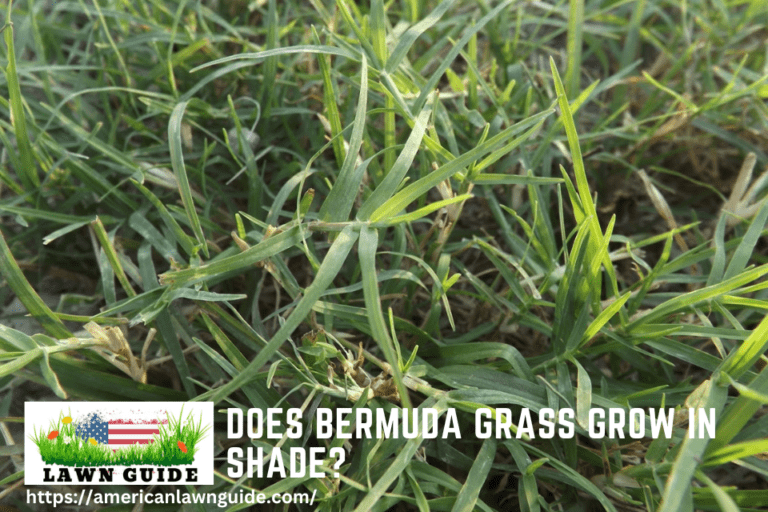
Bermuda Grass requires more direct sunlight than all the grass types, it thrives best from having full sun for most of the day, and will not tolerate any more than a little shade. If Bermuda Grass ever thins out and starts dying away, then the first culprit to look for is usually excessive shade. To repair the problem of excessive shade, the homeowner should prune any surrounding foliage from trees and bushes.

Fertilizer, and the Nitrogen in fertilizers in particular is highly important to Bermudagrass, this grass type has a higher than average requirement to be regularly fertilized in order to stay healthy and green.

Thatch can also quickly and easily build up in Bermudagrass, regular de-thatching is required to remove this thatch layer from the lawn in order the grass stays healthy. The buildup of thatch can result in the lawn being far more susceptible to grass diseases, as well as the quality of lawn mowing being greatly reduced. So de-thatching must be a part of the lawn care routine for Bermudagrass, depending on the health of the lawn, this may need to be done every year to few years.

Pests and Diseases In Bermuda Grass

Bermuda Grass is susceptible to most lawn diseases and pests. Due to it's rapid growth rates and hardiness, Bermudagrass does very well in fighting and winning mild infestations of pests and diseases, but this can only occur during the active growing season of the warmer months, and only when the grass is in excellent health. Weakened grass which is in poor health or growing in the shade will be at odds to win this fight.

While Bermuda Grass will still fall to pest and diseases, the good news is that it is a very hardy grass type which can take most lawn pesticides and fungicides very well. Allowing these chemicals to kill off the infestations without damage to the grass itself.

Bermuda Grass Lawn

You May Also Like These Lawn Care Articles

Image
Brown Patch Disease Brown Patch Disease is a turf fungal disease which creates brown circles in lawns which will quickly spread if left untreated. Brown Patch begins as a small...
Image
Fairy Ring Fairy Ring is a name which is applied to a condition which occurs in lawns which results in the formation of circular shaped patterns of either visible mushrooms or...
Image
Dollar Spot Disease Dollar Spot Lawn Disease is a fungal lawn disease which appears most often as multiple small brown patches which are usually the size of a dollar coin, but...

Lawn Types Articles

Image
What Are These Red Grassy Seed Stalks In My Bluegrass Bluegrass sends out masses of seed heads usually around May and June each...
Image
Bermuda Grass Bermuda Grass is a very popular and favorite lawn in the warmer Southern States. It is very fast growing, easy to...
Image
Centipede Grass Centipede grass can be an excellent choice of grass type for homeowners in the warmer Southern regions, requiring...
Image
Perennial Ryegrass Perennial Ryegrass is a good turf type for use as lawns around the North and North Central regions. It has low...
Image
Red Fescue Lawns Red Fescue grass is a member of a group of Fescues known as Fine Fescues. Along with all the Fine Fescue...
Image
Zoysia Compadre Zoysia Compadre is a very popular variety of Zoysia grass which continues it's rise in popularity, this is due to...
Image
Buffalograss Buffalograss is a native turf variety of the Great Plains of North America, It is a Warm Season grass with low...
Image
Zoysia Grass is a high quality warm season turf grass which is commonly in use across the warmer regions of the United States....